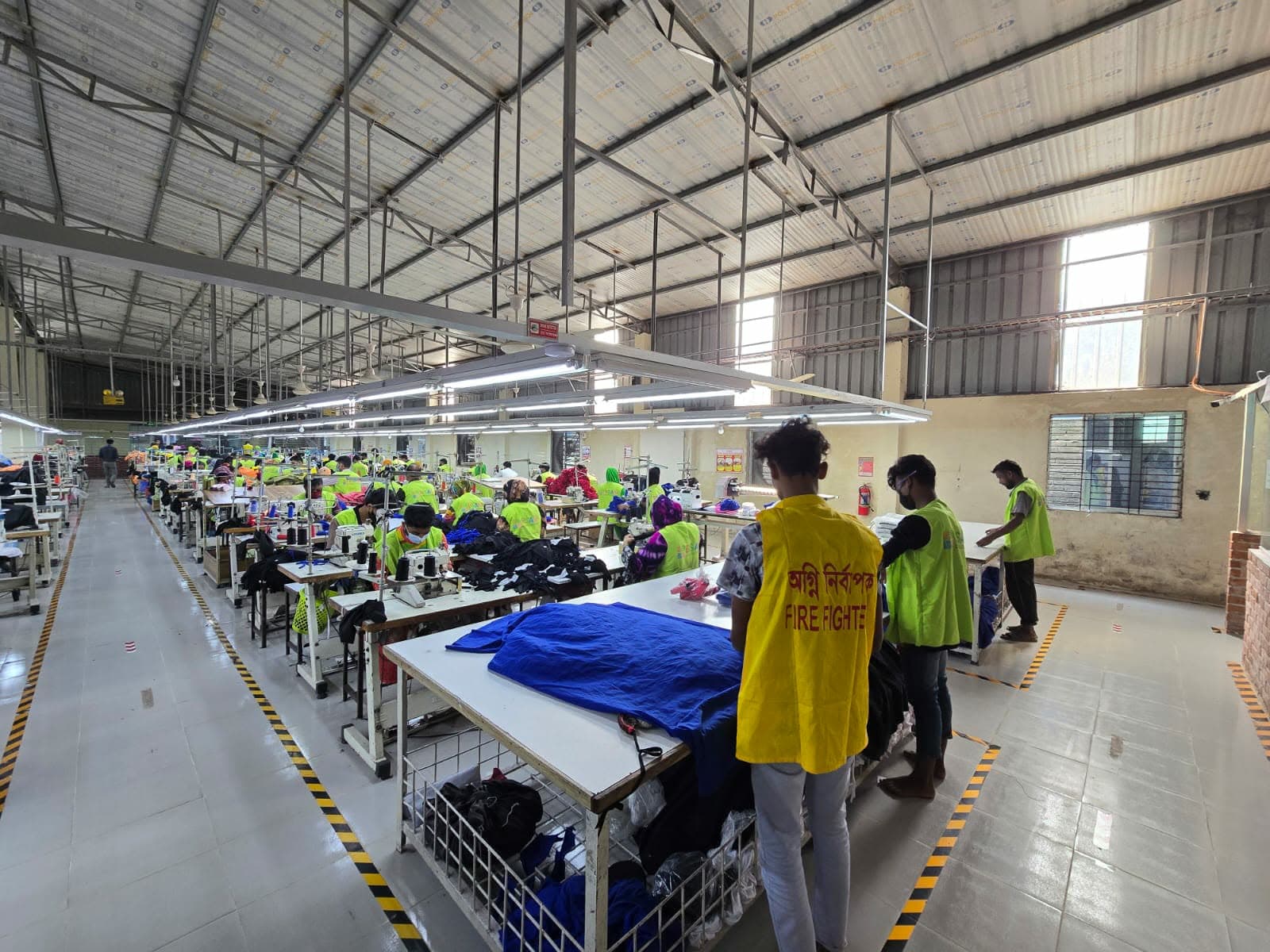
Capacity is more than a monthly output number. A strong capacity sheet shows how the factory handles peak periods, how production is split by product type, and how realistic the promised lead time is.
Read the line count and output together
A factory can have many lines, but the real question is how those lines are allocated. Some may handle knit, some woven, and some may be reserved for finishing or specialized runs.
When you compare capacity sheets, ask how the production lines are distributed and whether the output reflects normal operating conditions or a peak estimate.
- • Production lines tell you how much parallel work can happen at once.
- • Monthly output should be broken down by category if possible.
- • Different garment types will have different real throughput.
Check seasonality and bottlenecks
The best capacity sheet also tells you when the factory slows down. Fabric delays, wash loading, and inspection queues can all affect the true start date.
If a factory gives you one fixed number without context, you are probably not seeing the full production picture. A more useful answer explains where the bottlenecks usually appear.
Ask the right planning questions
A buyer should not only ask, 'Can you make it?' The better question is, 'Can you make it within my target window without changing the quality standard?'
- • How much of your capacity is already booked?
- • What is the lead time for my specific category?
- • Do wash or finishing processes extend the schedule?
- • How do you manage sample and bulk overlap?
Key takeaways
- • Look at capacity by style, not only by total monthly output.
- • Lead time should be read together with sampling and bulk planning.
- • Ask whether the quoted capacity is peak, average, or reserved.