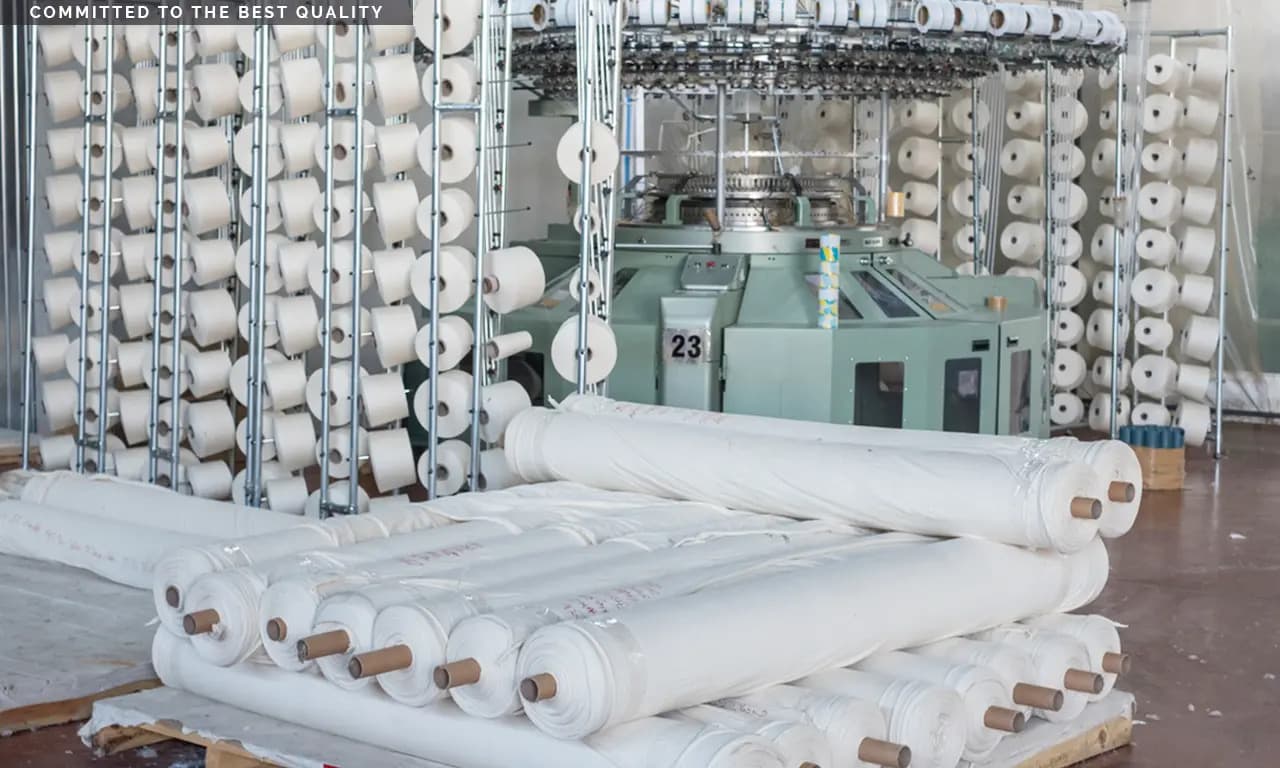
MOQ should not be treated as a random factory rule. It is a planning tool that tells you whether a style is ready for launch, whether the margin works, and how much complexity the factory has to absorb.
Start with product complexity
A simple tee and a structured jacket do not belong in the same MOQ conversation. More pattern pieces, trims, wash processes, and finishing steps all raise the operational load on the factory.
If you are launching a new style, compare the construction effort against your expected sell-through. That gives you a more realistic MOQ target than asking for the lowest possible number.
- • Basic knit basics can usually support lower starting quantities.
- • Woven garments often require more planning because of fit and finishing complexity.
- • Denim and washed products need extra allowance for shrinkage, wash trials, and quality control.
Use MOQ as a financial filter
MOQ should reflect the smallest quantity that still keeps production efficient. If the quantity is too low, your unit cost rises and the factory may struggle to maintain consistency.
A practical MOQ protects both sides. You get a more stable quote, and the factory can schedule the work without cutting corners on materials or finishing.
What to ask before you commit
Before you approve a sample, ask the factory to explain the MOQ in the context of fabric availability, machine setup, and styling complexity. You want a number that can actually be produced, not just quoted.
- • What is the MOQ by color and by style?
- • Does sampling change the final MOQ or lead time?
- • What happens if you combine multiple colors or sizes?
- • Is the MOQ different for knit, woven, and denim constructions?
Key takeaways
- • Use MOQ to check launch risk before you sample.
- • More complex styles usually need higher MOQ to stay efficient.
- • The right MOQ is the one that protects quality and pricing together.