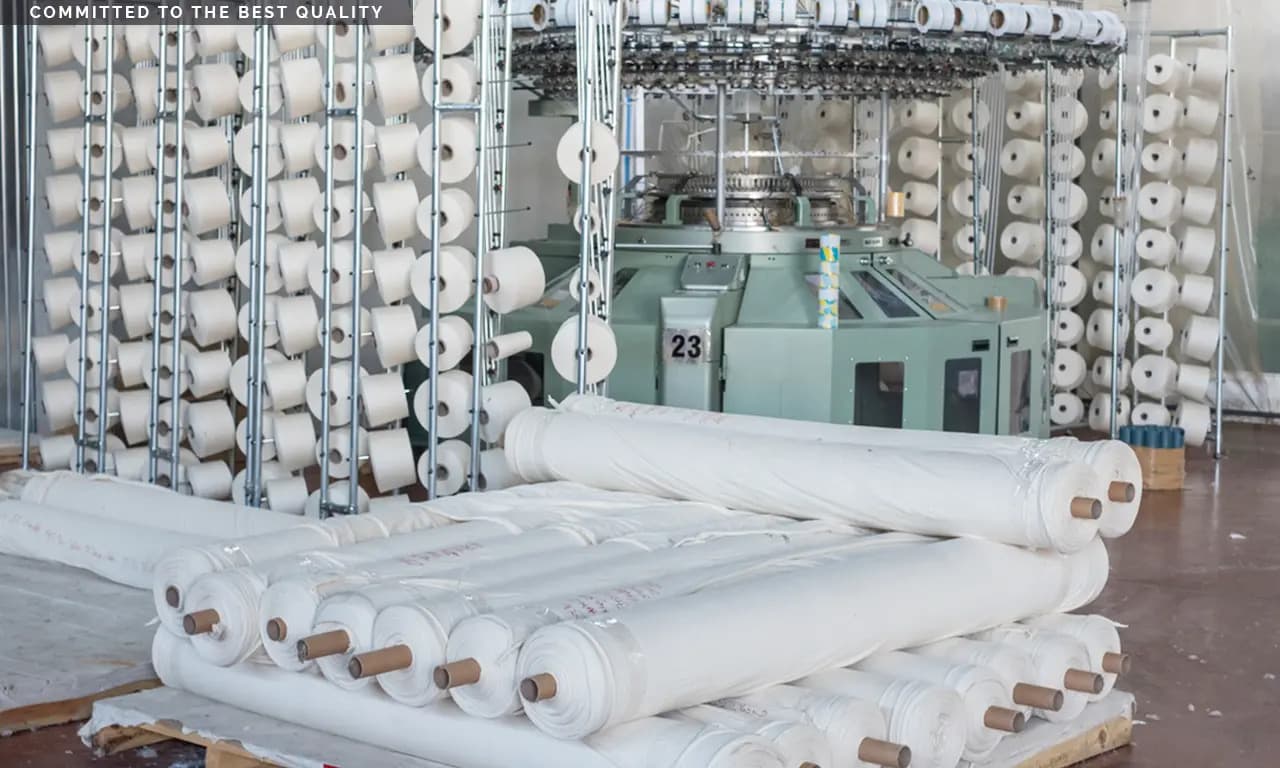
Finding a low-MOQ factory is not about accepting lower standards. It is about identifying a manufacturer with experience scaling smaller orders, systems to track them, and the willingness to invest in your brand even when the first order is modest.
Understand why a factory accepts low MOQs
Not all factories can profitably handle MOQs below 500 or 1,000 units per style. Those that do have usually invested in flexible production systems, modular workflows, and strong supply chain partnerships.
When vetting a low-MOQ factory, ask about their production philosophy. Do they batch similar products together to reduce setup time? Do they have flexible fabric suppliers? Have they built repeatable processes for small-order sampling?
- • Low-MOQ factories usually invest in lean workflows and modular setups.
- • They often batch similar styles to reduce machine changeover and waste.
- • Supply relationships are tighter and more carefully managed.
- • Quality control systems are usually more rigorous to offset lower scale.
Evaluate their production infrastructure
Ask for evidence of how they handle small order logistical logistics. Request samples from previous small orders, timelines they've met for low-MOQ buyers, and how they manage fabric and component purchasing when orders do not justify bulk minimums.
Build the relationship from sampling onward
The first order is often where misalignment happens. Be clear about what you need: exact timeline, quality tolerance, communication cadence, and how you want to handle changes or rework.
A strong low-MOQ factory will confirm these details upfront and deliver against them. That builds trust for future orders, higher volumes, and easier collaboration.
- • Confirm the sample timeline and approval process in writing.
- • Define quality standards and inspection checkpoints during sampling.
- • Establish a clear escalation path for production issues.
- • Discuss how orders scale if the style sells well.
Key takeaways
- • Low MOQ does not mean low quality—it means structured efficiency.
- • Vet the factory's ability to handle smaller orders, not just the willingness.
- • Communication clarity early on determines success across all order sizes.