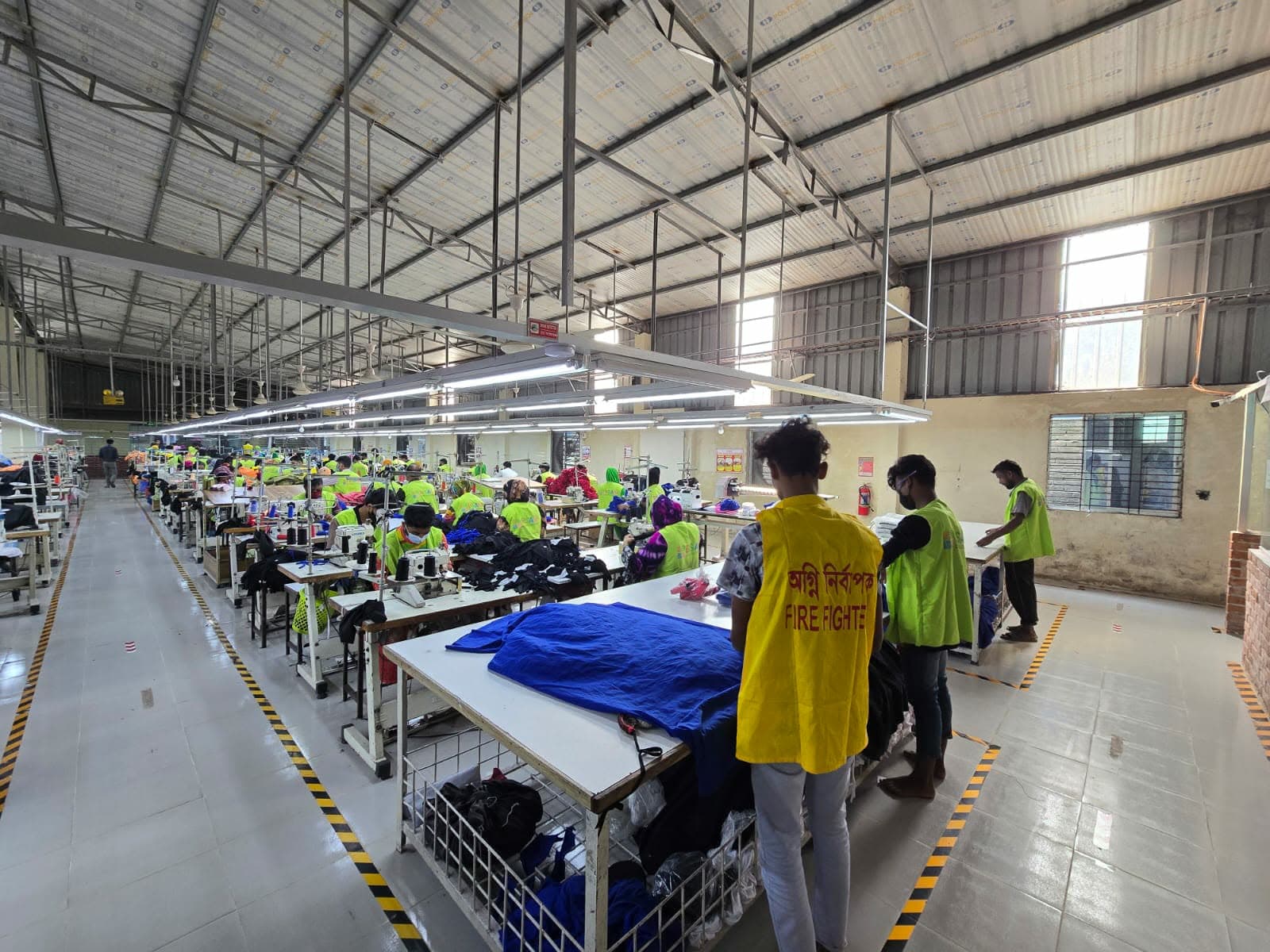
USA and Canada manufacturers are viable for many brands, especially those prioritizing fast feedback, shorter lead times, and supply chain transparency. The cost premium is real, but so are the business advantages for certain product categories and market segments.
When nearshoring makes economic sense
USA and Canada manufacturing typically costs 30–50% more per unit than offshore production. That premium is only sensible if you gain something concrete: faster time-to-market, better communication, supply chain security, or a marketing advantage.
Nearshoring is most profitable for products with thin, seasonal windows or high-velocity basics where the speed and flexibility justify the higher COGS.
- • Seasonal styles with tight launch windows (2–4 weeks)
- • Basics that sell quickly and need repeat orders
- • Test orders for new styles before offshore scaling
- • Small launches or capsule collections aimed at domestic consumers
The supply chain advantage
Sourcing closer to home reduces logistics complexity, shortens lead times, and often allows tighter communication with production. Problems are visible faster. Changes can be implemented without crossing time zones.
For brands concerned with supply chain transparency or those building narrative around domestic manufacturing, nearshoring is also a storytelling asset.
Structure orders for USA/Canada success
Because lead times are shorter and minimums may be tighter, structure orders carefully. Plan further ahead than you would for overseas production, lock in fabric early, and confirm delivery windows well in advance.
Nearshoring manufacturers often expect clearer specs and tighter communication because the turnaround is faster.
- • Confirm MOQ and lead time by category before committing to design specs.
- • Lock fabric and notions at least 6–8 weeks before bulk shipment.
- • Set up a regular communication cadence during production.
- • Plan for a slightly longer sampling phase to refine details upfront.
Key takeaways
- • Nearshoring works best for basics, essentials, and reorders with fast turnaround.
- • Lead times are shorter and supply transparency is clearer.
- • Production minimums may differ, but the trade-off is often worth it for smaller brands.